Pakistan is executing a dramatic reversal in its approach to cryptocurrency, moving toward regulation after nearly a decade of strict prohibition. For eight years, the government kept digital assets firmly banned, citing fears that the technology would facilitate money laundering and terror financing. This cautious stance was partly driven by the country’s long struggle to exit the Financial Action Task Force grey list, a designation that signals weak oversight of illicit money flows and often scares away foreign investors.
The sudden shift toward legitimacy appears to be timed with geopolitical ambitions. Analysts suggest that Pakistani leaders are attempting to align themselves with the current political climate in the United States, specifically mirroring the pro-crypto rhetoric emerging from Donald Trump’s orbit. By embracing digital currencies now, officials hope to signal a modernizing economic outlook and curry favor with an American administration increasingly open to the blockchain ecosystem.
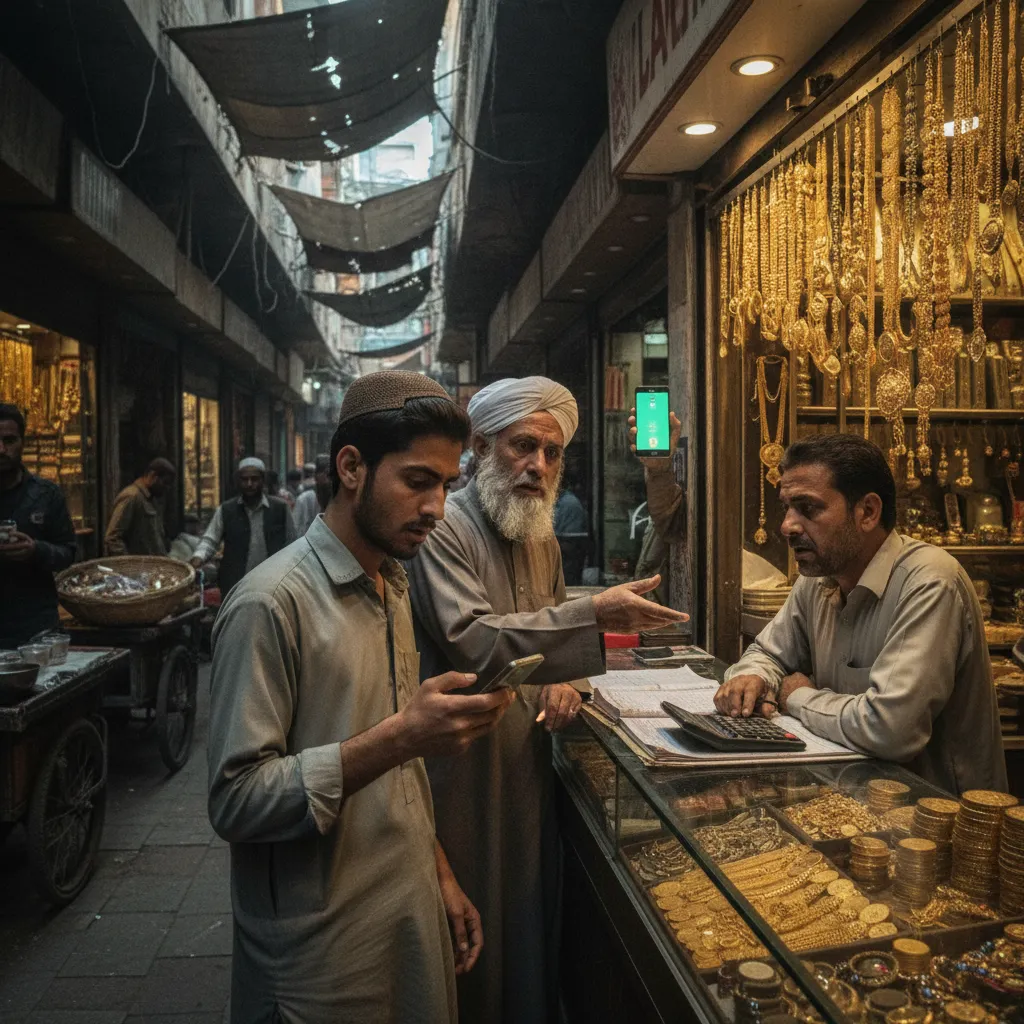
Despite the official pivot, proponents of crypto face significant hurdles beyond government bureaucracy. Many believe digital assets could revolutionize how freelancers receive international payments and how migrant workers send remittances home without losing large percentages to transaction fees. However, these practical gains are clashing with deeply held religious convictions. Because Islamic finance emphasizes intrinsic value and prohibits speculative gambling, several prominent scholars have expressed skepticism over coins like Bitcoin, which lack physical backing.
To navigate these waters, Pakistan has established an advisory body and a specialized regulator tasked with licensing approved companies. The goal is to create a controlled environment that avoids the catastrophic collapses seen in other fast-moving markets, such as the fall of FTX in the Bahamas. As the state attempts to balance technological progress with religious compliance and security risks, the success of this experiment will likely depend on whether it can convince both skeptical clerics and wary financiers that crypto can be safe and stable.