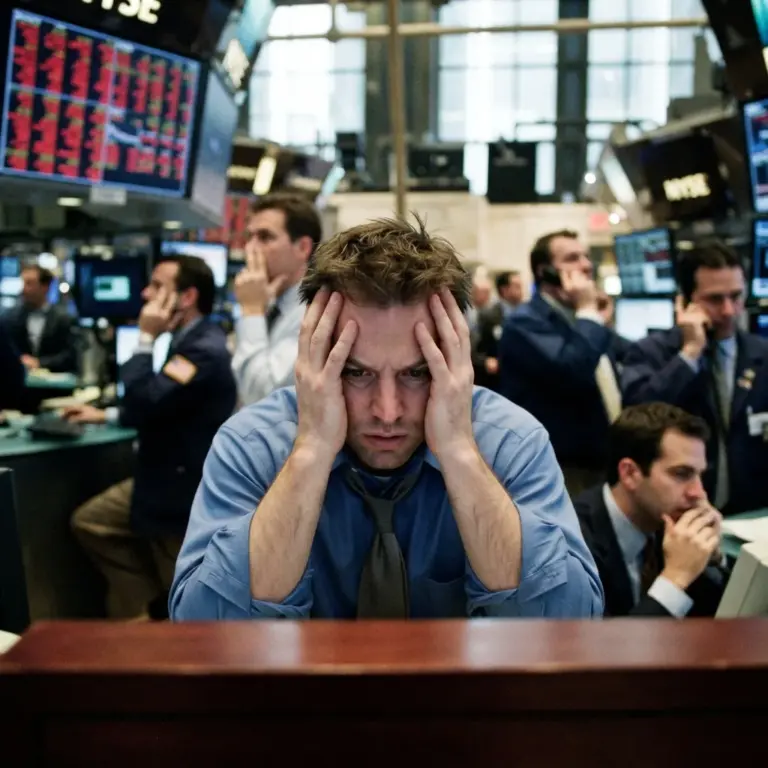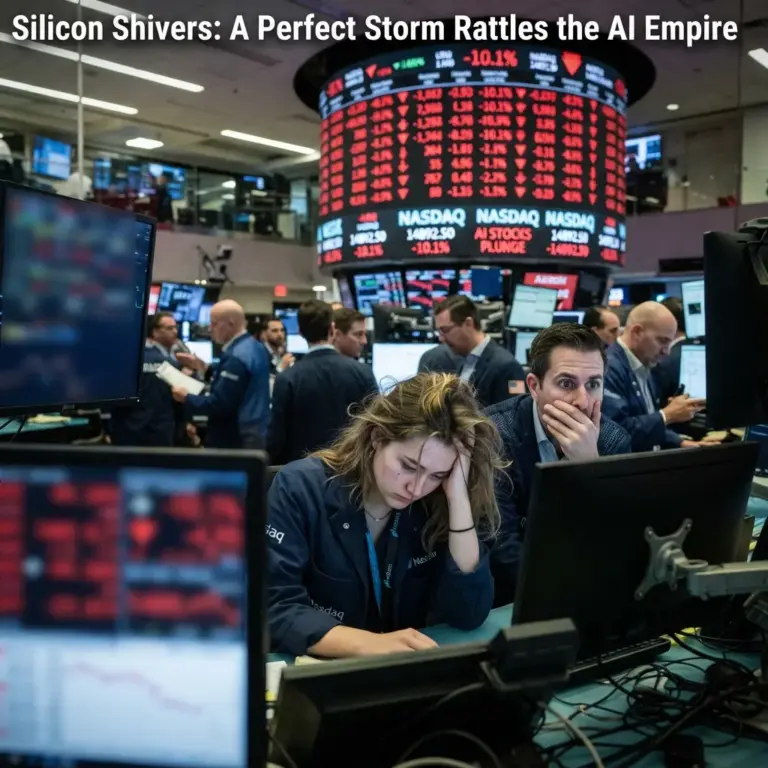
The stock market has enjoyed a triumphant run recently, with the S&P 500 hitting numerous record highs throughout the year. Yet, beneath the surface of this prosperity, signs of instability are emerging. Recent volatility in the tech sector has left many investors uneasy, particularly as the Nasdaq Composite dipped into correction territory after a significant plunge from its peak. While bull markets often feel permanent, history suggests that a pullback is inevitable, leaving many to wonder how to protect their portfolios before the tide turns.
To find an answer, many are looking back at the wisdom of Warren Buffett, specifically his warnings delivered just before the dot-com bubble burst in 2000. At the time, Buffett cautioned that there is a massive difference between a technology that changes the world and a company that makes money for shareholders. He pointed to industries like aviation and radio as examples of glamorous revolutions that nonetheless saw countless businesses go bankrupt. His core message was clear: societal impact does not equal investment success.
According to Buffett, the secret to enduring a crash isn’t predicting which industry will grow fastest or which trend is most exciting. Instead, he argues that investors must determine whether a specific company possesses a genuine competitive advantage and, more importantly, if that advantage is durable enough to withstand hardship. In today’s landscape, this means being cautious with artificial intelligence trends; while AI may redefine modern life, not every company riding the wave is built on a sustainable foundation.
For those bracing for a potential recession, the smartest move is to pivot away from speculation and toward quality assets with robust business fundamentals. While short term volatility affects everyone regardless of their holdings, companies with strong moats are far more likely to recover and drive long term wealth. History proves this resilience works; despite the wreckage of the early 2000s, high quality companies fueled an incredible recovery over the following two decades for those who focused on stability over hype.